

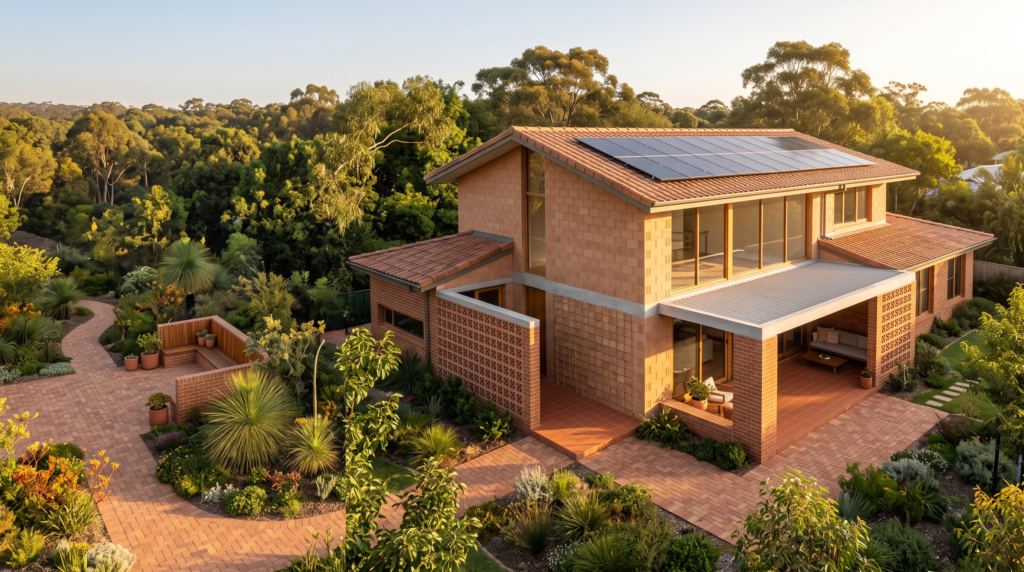
Energy efficiency has become one of the top priorities in modern home construction. Rising energy costs, changing climate conditions, and the growing demand for sustainable living have encouraged homeowners, architects, and builders to adopt smarter construction practices. An energy-efficient home not only reduces electricity bills but also improves indoor comfort, minimizes environmental impact, and increases long-term property value.
From selecting the right building materials to maximizing natural ventilation, every construction decision plays a role in improving a home’s energy performance. Among the most effective solutions are clay building materials, which offer excellent thermal insulation, durability, and sustainability.
In this blog, we’ll explore 10 practical construction tips for building energy-efficient homes that are comfortable, eco-friendly, and built to last.
1. Choose Thermally Efficient Building Materials
The foundation of an energy-efficient home begins with selecting high-quality building materials that reduce heat transfer. Materials with excellent thermal insulation help maintain stable indoor temperatures throughout the year.
Clay-based materials such as ThermoBricks (Clay Hollow Blocks), clay roof tiles, and wall cladding tiles naturally improve thermal performance, reducing the need for excessive air conditioning or heating.
Benefits include:
- Lower electricity bills
- Improved indoor comfort
- Reduced heat gain
- Enhanced energy efficiency
2. Use ThermoBricks (Clay Hollow Blocks)
ThermoBricks are designed with hollow cavities that trap air, creating a natural insulation barrier. These advanced clay hollow blocks help keep homes cooler during hot summers and warmer during colder months.
Advantages of ThermoBricks include:
- Excellent thermal insulation
- Lightweight construction
- Fire resistance
- Reduced structural load
- Long-lasting durability
Using ThermoBricks is an effective way to build energy-efficient and sustainable homes.
3. Install Clay Roof Tiles
The roof is one of the largest sources of heat gain in a building. Choosing clay roof tiles helps reduce heat absorption, creating a naturally cooler indoor environment.
Clay roof tiles offer:
- Superior insulation
- Weather resistance
- Long service life
- Low maintenance
- Timeless architectural appeal
They are an ideal roofing solution for India’s diverse climate.
4. Maximize Natural Ventilation
A well-planned home design should encourage cross ventilation, allowing fresh air to circulate naturally throughout the building.
Design strategies include:
- Large windows
- Ventilation openings
- Courtyards
- Decorative breeze blocks
- Open floor layouts
Natural ventilation reduces dependence on mechanical cooling systems and improves indoor air quality.
5. Incorporate Clay Wall Cladding
Wall cladding not only enhances the appearance of a home but also contributes to better thermal performance.
Clay wall cladding tiles help:
- Reduce heat absorption
- Protect exterior walls
- Improve weather resistance
- Enhance architectural aesthetics
They provide a perfect combination of functionality and style.
6. Use Energy-Efficient Windows and Shading
Windows significantly influence indoor temperatures. Installing energy-efficient glazing and using external shading devices can reduce unwanted solar heat gain.
Consider:
- Double-glazed windows
- Sunshades
- Pergolas
- Deep overhangs
- Vertical fins
These features improve comfort while lowering cooling costs.
7. Select Durable, Low-Maintenance Materials
Long-lasting building materials contribute to sustainability by reducing repairs, replacements, and resource consumption over time.
Clay building materials are known for:
- High durability
- Fire resistance
- Weather resistance
- Low maintenance
- Long service life
They remain an excellent investment for modern homes.
8. Optimize Home Orientation
The positioning of a home affects natural lighting, ventilation, and heat gain.
Good orientation helps:
- Maximize daylight
- Improve airflow
- Reduce cooling requirements
- Increase occupant comfort
Proper site planning is one of the most cost-effective energy-saving strategies.
9. Design Functional Outdoor Spaces
Outdoor spaces can help regulate the microclimate around a home.
Features such as:
- Clay brick pavers
- Landscaped gardens
- Green spaces
- Courtyards
- Shaded patios
help reduce surrounding temperatures and improve overall comfort.
10. Build with Sustainable Clay Building Materials
Sustainability is no longer optional in modern construction. Choosing natural clay building materials supports environmentally responsible building practices while improving long-term building performance.
Clay products offer:
- Natural raw materials
- Excellent thermal insulation
- Energy efficiency
- Low environmental impact
- Long-lasting performance
These benefits make clay one of the most reliable materials for energy-efficient homes.
Why Clay Building Materials Improve Energy Efficiency
Clay building materials naturally regulate indoor temperatures by reducing heat transfer through walls and roofs. Their thermal mass helps absorb and release heat gradually, creating a more stable indoor environment.
Key advantages include:
- Lower energy consumption
- Reduced cooling costs
- Comfortable indoor temperatures
- Improved building durability
- Sustainable construction
- Fire resistance
- Low maintenance
These characteristics make clay products an ideal choice for modern homes.
Why Choose Jindal Ceramica?
Jindal Ceramica manufactures premium clay building materials designed to support sustainable and energy-efficient construction. Using advanced extrusion technology, robotic automation, and high-temperature tunnel kilns, the company delivers products that combine exceptional quality, durability, and architectural appeal.
Its product range includes:
- ThermoBricks (Clay Hollow Blocks)
- Clay Face Bricks
- Perforated Face Bricks
- Wall Cladding Tiles
- Handmade Cladding Tiles
- Extruded Cladding Tiles
- Clay Floor Tiles
- Clay Roof Tiles
- Breeze Blocks
- Brick Pavers
- Terracotta Tiles
- Clay Brick Tiles
These products help builders, architects, and homeowners create modern homes that are comfortable, sustainable, and built to last.
Building an energy-efficient home requires thoughtful planning and the right choice of materials. From using ThermoBricks and clay roof tiles to maximizing natural ventilation and selecting durable finishes, every decision contributes to lower energy consumption and greater indoor comfort.
Clay building materials have become a preferred choice for sustainable residential construction because they combine thermal performance, durability, fire resistance, and timeless aesthetics. By incorporating these solutions into your next project and partnering with trusted manufacturers like Jindal Ceramica, you can build homes that are energy-efficient, environmentally responsible, and designed for long-term value.