
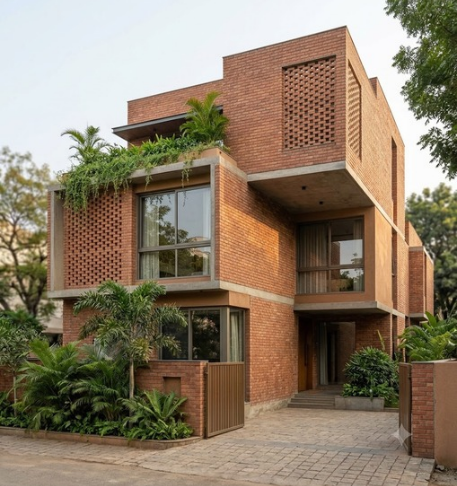
Modern architecture focuses on combining visual appeal, durability, functionality, and sustainable design. While new construction materials continue to emerge, clay face bricks remain a popular choice for architects, builders, and homeowners looking to create distinctive and timeless buildings.
From contemporary residential facades to commercial spaces and decorative feature walls, clay face bricks offer a natural finish that complements a wide range of architectural styles. Their colours, textures, and versatile applications make them suitable for projects that value both aesthetics and practicality.
For builders and architects exploring Clay Face Bricks in Delhi, understanding their key benefits can help in selecting the right materials for modern construction.
What Are Clay Face Bricks?
Clay face bricks are bricks designed to remain visible on the finished surface of a building rather than being covered with plaster or paint. They contribute to the architectural appearance of walls while serving the function specified by the building design.
Available in different colours, textures, sizes, and patterns, clay face bricks can be used in residential buildings, commercial developments, boundary walls, and decorative architectural features.
Here are seven important benefits of using clay face bricks in modern architecture.
1. Timeless Beauty and Natural Appearance
One of the biggest advantages of clay face bricks is their natural and timeless appearance. Their earthy colours and distinctive textures create visual interest without requiring elaborate surface finishes.
Architects can incorporate exposed brickwork into minimalist homes, contemporary commercial buildings, industrial-style spaces, and traditional-inspired designs.
Clay face bricks can also be combined with glass, steel, timber, and concrete to create attractive contrasts between natural and modern materials.
Why it matters: A carefully designed brick facade can give a building a distinctive architectural identity while maintaining a natural appearance.
2. Durability and Long-Term Performance
Durability is an important consideration when selecting materials for building exteriors. Properly manufactured clay face bricks can provide long-lasting performance when selected for the intended application and installed correctly.
Their suitability depends on factors such as manufacturing quality, strength, water absorption, exposure conditions, mortar selection, and construction workmanship.
For exterior applications, buyers should review product specifications and confirm that the selected bricks meet the relevant requirements for the project.
Why it matters: Choosing suitable, quality-tested bricks can help maintain the appearance and performance of exposed brickwork over time.
3. Reduced Need for Painting and Finishing
Unlike conventional walls that may require paint or decorative coatings, exposed clay face bricks are designed to provide a finished architectural surface in their own right.
Their natural colour and texture can reduce the need for additional decorative treatments. This may also help simplify the finishing process, depending on the project’s design and installation requirements.
However, exposed brickwork still requires appropriate detailing and occasional maintenance to address dust, staining, moisture, or other environmental effects.
Why it matters: Using exposed bricks can help create a distinctive finish while potentially reducing the need for recurring painting.
4. Contribution to Thermal Comfort
Thermal performance is an important part of modern building design, especially in regions such as Delhi NCR, where temperatures vary considerably throughout the year.
Clay masonry can contribute to a wall’s thermal mass, which influences how heat is absorbed and released. The overall thermal performance of a building, however, depends on the complete wall assembly, including wall thickness, insulation, cavities, ventilation, and building orientation.
For projects with specific energy-efficiency goals, architects should assess the proposed wall system rather than relying on the brick material alone.
Why it matters: When incorporated into a well-designed building envelope, clay masonry can contribute to indoor thermal comfort.
5. Versatility in Modern Architectural Design
Clay face bricks offer considerable design flexibility. They can be arranged in different patterns and combinations to create distinctive visual effects.
Common applications include:
- Exterior facades: Create a natural, textured appearance for residential and commercial buildings.
- Feature walls: Add warmth and character to selected interior or exterior surfaces.
- Boundary walls: Combine privacy with an attractive architectural finish.
- Decorative patterns: Use brick bonds and layouts to create visual depth.
- Mixed-material designs: Pair exposed bricks with glass, metal, timber, or concrete.
Designers can experiment with brick orientation, joint styles, colour combinations, and patterns to achieve a look that suits the building.
Why it matters: Clay face bricks allow architects to create varied designs without depending entirely on applied decorative finishes.
6. Natural Material and Sustainability Considerations
Clay is a naturally occurring raw material, making clay bricks an option for projects that prioritise natural building materials.
However, the environmental impact of a brick product also depends on how the clay is sourced, the energy used during manufacturing, transportation distances, product lifespan, and end-of-life handling.
When sustainability is a priority, ask manufacturers about their production practices, relevant environmental documentation, and available product information.
Architects and developers should evaluate these factors alongside durability and performance requirements rather than assuming that every clay brick has the same environmental benefits.
Why it matters: Understanding the material’s full lifecycle helps construction professionals make more informed choices about building materials.
7. Suitable for Residential and Commercial Projects
Clay face bricks can be incorporated into a wide range of architectural projects. Their natural appearance works well across different building types and design preferences.
|
Project type |
Potential application |
|
Modern homes |
Exterior facades, entrance features, and boundary walls |
|
Commercial buildings |
Reception areas, exterior elevations, and feature walls |
|
Offices |
Contemporary exposed-brick interiors and architectural accents |
|
Hospitality spaces |
Decorative walls and warm, welcoming environments |
|
Landscape projects |
Selected walls and other architect-designed features |
The final choice should depend on the intended application, product specifications, local conditions, and the design team’s recommendations.
Why it matters: The versatility of clay face bricks makes them worth considering for projects with different architectural requirements.
How to Choose the Right Clay Face Bricks in Delhi
Before purchasing clay face bricks for a construction project, consider these essential factors:
- Check quality: Review product specifications, samples, dimensions, and relevant test information.
- Select the right finish: Choose colours and textures that complement the architectural design.
- Assess exposure conditions: Confirm that the product is suitable for the intended interior or exterior application.
- Compare suppliers: Evaluate product consistency, availability, delivery schedules, and technical support.
- Calculate total cost: Include transportation, installation, wastage, and any additional finishing requirements.
- Confirm installation details: Discuss mortar, joints, moisture protection, and cleaning methods with the project team.
For larger projects, obtaining samples and approving the expected colour variation before ordering can help avoid inconsistencies across the finished building.
Why Consider Jindal Ceramica for Clay Face Bricks?
Jindal Ceramica is a clay building materials manufacturer based in Jhajjar, Haryana, serving construction and architectural projects with a range of clay-based products.
For builders, architects, and developers looking for Clay Face Bricks in Delhi, Jindal Ceramica is an option to explore when comparing brick types, finishes, and product suitability for modern construction.
Before making a purchase, discuss your project requirements, preferred appearance, order quantity, and delivery location with the supplier. Reviewing product samples and technical specifications will help you determine whether a particular product meets your needs.
Explore the Jindal Ceramica website to learn more about face bricks and their applications.
Conclusion
Clay face bricks continue to be a valuable option in modern architecture because of their natural appearance, design versatility, and potential for long-term performance. They can create distinctive building facades, reduce reliance on additional decorative finishes, and complement a variety of architectural styles.
The seven benefits discussed in this article show why clay face bricks remain relevant to contemporary construction. However, choosing the right product requires careful consideration of quality, climate suitability, thermal performance, environmental factors, and installation requirements.
Whether you are designing a modern home, developing a commercial property, or planning a decorative feature wall, selecting appropriate clay face bricks can help you achieve an attractive and functional architectural finish.