

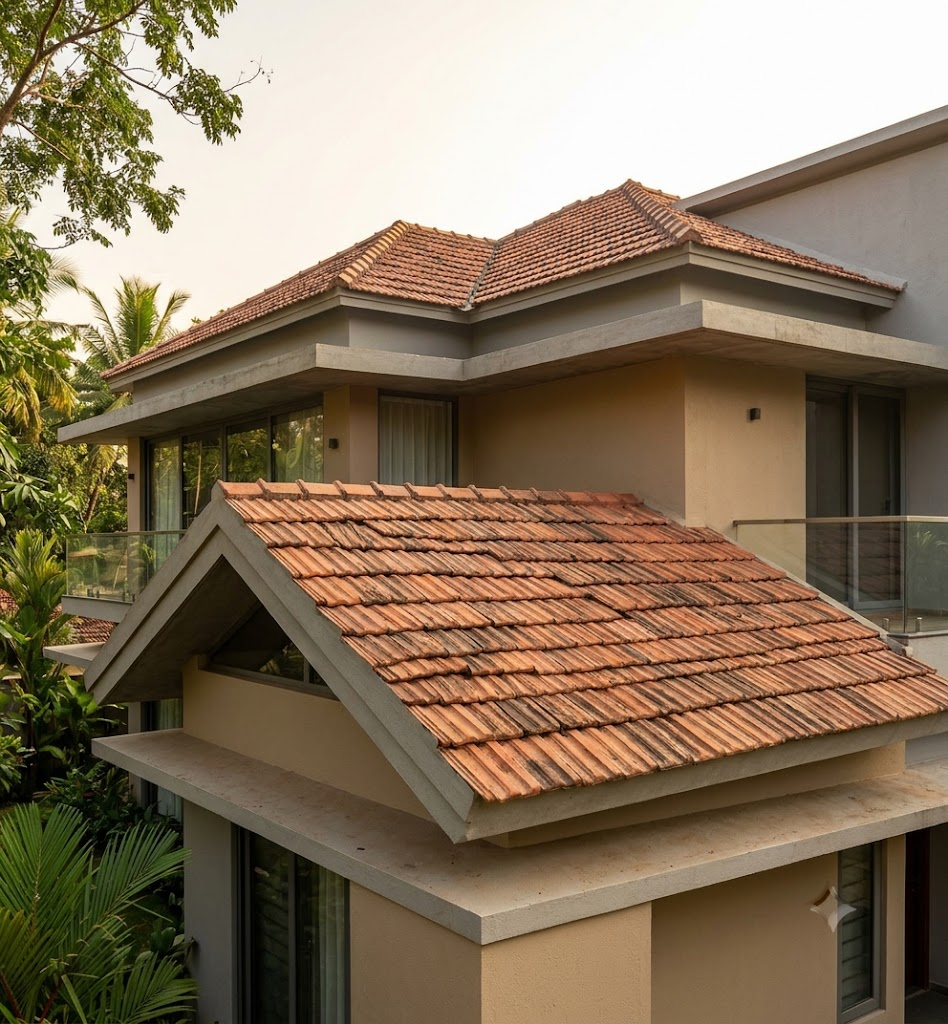
India experiences a wide range of weather conditions, from extremely hot summers and heavy monsoon rainfall to cold winters and humid coastal climates. Choosing the right roofing material is essential for protecting a building, improving indoor comfort, and maintaining its appearance over time.
Among the available roofing options, clay roof tiles remain a popular choice for residential buildings, villas, farmhouses, and traditional as well as contemporary architectural projects. Their natural appearance, durability, and design versatility make them worth considering for different Indian climates.
For homeowners, architects, builders, and contractors exploring clay roof tiles in Delhi, understanding how these tiles perform under local weather conditions can help in making an informed decision.
What Are Clay Roof Tiles?
Clay roof tiles are roofing products manufactured from natural clay and shaped and fired to create a rigid roofing material. They are available in different shapes, sizes, profiles, and colours to suit various architectural designs.
Depending on the product and roofing system, clay tiles can be used for sloping roofs on homes, villas, cottages, farmhouses, and selected commercial buildings.
Their performance depends on factors such as the tile design, manufacturing quality, roof pitch, underlayment, installation method, and local weather conditions.
1. Help Manage Heat During Indian Summers
High summer temperatures are a major consideration when selecting roofing materials in India. Roofs receive direct sunlight and can transfer heat into the spaces below, affecting indoor comfort.
Clay roof tiles can contribute to thermal comfort through their material properties and the way they are installed within a complete roofing system. An appropriately designed tiled roof with a ventilated air gap and suitable insulation can help limit heat transfer into the building.
The actual result depends on roof construction, ventilation, insulation, tile colour, and building orientation.
Why it matters: For homes in Delhi NCR and other hot regions, a well-designed clay-tile roofing system can support indoor comfort during summer.
2. Suitable for Monsoon Conditions When Properly Installed
Monsoon rainfall makes water management an essential part of roof design. Clay roof tiles are commonly used on sloping roofs, where their overlapping arrangement helps direct rainwater towards the gutters and drainage points.
However, the tiles alone do not guarantee a completely waterproof roof. Performance depends on correct installation, adequate roof pitch, appropriate overlaps, flashing, and underlayment where required.
Before selecting clay roof tiles, confirm that the product is suitable for the expected rainfall and roof design.
Key considerations include:
- Correct roof slope and tile overlap.
- Proper installation around ridges, valleys, and roof edges.
- Suitable flashing around chimneys, vents, and other openings.
- Effective drainage and gutter arrangements.
- Regular inspection after severe weather.
Why it matters: Properly designed and installed clay-tile roofing can help manage rainwater and protect the building from weather exposure.
3. Durable Performance Over Time
Roofing materials must withstand years of sunlight, rainfall, wind, and seasonal temperature changes. Quality clay roof tiles can provide long service life when selected for the intended application and installed according to the manufacturer’s recommendations.
Their durability depends on factors such as clay composition, firing quality, tile strength, product specifications, and exposure conditions.
When comparing products, ask manufacturers about relevant testing, weather suitability, and recommended maintenance procedures.
Why it matters: Choosing suitable tiles and installing them correctly can help reduce premature damage and the need for frequent roof repairs.
4. Natural Appearance for Traditional and Modern Homes
Clay roof tiles offer a distinctive architectural appearance that complements many Indian building styles. Their earthy colours and natural texture work well with traditional homes as well as contemporary villas and countryside properties.
Popular design applications include:
- Traditional Indian homes with sloping roofs.
- Modern villas with terracotta roofing.
- Farmhouses and holiday homes.
- Cottages and resort-style properties.
- Architectural projects featuring natural materials.
Clay roof tiles can also complement exposed brickwork, stone, timber, and neutral exterior finishes.
Why it matters: They allow homeowners and architects to combine functional roofing with a natural, timeless design.
5. Available in Different Shapes, Profiles, and Colours
Every building has different architectural and functional requirements. Clay roof tiles are available in different profiles and formats, allowing designers to choose products that suit the roof design.
Depending on the manufacturer’s range, options may include curved profiles, flat-style tiles, interlocking designs, and different natural or finished colours.
Before choosing a profile, consider:
- The building’s architectural style.
- Roof slope and structural design.
- Tile overlap and installation requirements.
- Compatibility with ridges and other roofing accessories.
- Availability of matching replacement tiles.
Why it matters: Selecting the right profile can help create a consistent roof appearance while meeting practical installation requirements.
6. Can Contribute to Thermal Comfort in Winter
Indian winters vary considerably by region. While some areas experience mild conditions, northern regions can experience significantly colder temperatures.
Clay tiles alone should not be considered a complete insulation solution. However, when used as part of a properly designed roof assembly, they can contribute to the roof’s overall thermal behaviour.
Roof insulation, air sealing, ventilation, and the design of the ceiling and roof cavity are important factors in maintaining indoor comfort.
Why it matters: A well-designed roof system can help manage heat transfer across seasons rather than relying on the roofing material alone.
7. Natural Clay as a Building Material
Clay is a naturally occurring raw material used in construction for centuries. For projects that prioritise natural materials and traditional architectural finishes, clay roof tiles can be an attractive option.
However, the environmental impact of a roofing product also depends on the energy used during manufacturing, raw-material sourcing, transportation, expected service life, and end-of-life handling.
When sustainability is a priority, ask manufacturers about their production practices and any relevant environmental documentation.
Why it matters: Considering the full lifecycle of a roofing product helps builders make more informed material choices.
8. Maintenance Can Be Straightforward
Clay roof tiles generally do not require conventional painting to achieve their natural appearance. Nevertheless, like all roofing systems, they need periodic inspection and maintenance.
Weather exposure, falling branches, foot traffic, poor installation, or movement in the roof structure can cause tiles to crack, shift, or become damaged.
To maintain a tiled roof:
- Inspect tiles periodically for cracks or displacement.
- Keep gutters and drainage points clear.
- Check flashing and roof junctions for signs of leakage.
- Replace damaged tiles promptly.
- Avoid walking directly on tiles unless appropriate access and safety measures are in place.
Why it matters: Regular inspections help identify problems early and support the long-term performance of the roof.
9. Considerations Before Buying Clay Roof Tiles in Delhi
If you are planning to install clay roof tiles in Delhi or nearby areas, evaluate the product according to your roof design and local weather exposure.
|
Factor |
What to check |
|
Summer heat |
Roof ventilation, insulation, and overall roof assembly |
|
Monsoon rainfall |
Roof pitch, overlaps, flashing, and drainage |
|
Wind exposure |
Tile fixing system and roof-edge details |
|
Product quality |
Tile strength, consistency, and manufacturer specifications |
|
Roof structure |
Weight of the complete roofing system and structural capacity |
|
Installation |
Manufacturer-approved installation method |
|
Total cost |
Tiles, accessories, labour, transportation, and maintenance |
The roof structure must be designed to support the weight of the complete roofing system, including tiles, battens, underlayment, and other components.
Why Consider Jindal Ceramica for Clay Roof Tiles?
Jindal Ceramica is an Indian manufacturer of clay-based building materials located in Jhajjar, Haryana. Its product range includes clay roof tiles and other architectural clay products.
For homeowners, architects, and builders researching clay roof tiles in Delhi, Jindal Ceramica is an option to explore when comparing roofing products for residential and architectural applications.
Before selecting a product, confirm its profile, dimensions, weight, weather suitability, installation requirements, and availability for your project.
Explore the Clay Roof Tiles collection to learn more about the available options.
Conclusion
Clay roof tiles offer several potential benefits for Indian construction, including natural architectural appeal, design versatility, and the ability to form part of a durable roofing system. Their suitability for hot summers, monsoon rainfall, and cooler winters depends on the tile specifications and the design of the complete roof assembly.
Before purchasing clay roof tiles, consider the local climate, roof pitch, drainage, structural requirements, insulation, installation method, and maintenance needs.
Whether you are building a modern villa, renovating a traditional home, or designing a farmhouse, selecting suitable clay roof tiles and ensuring professional installation can help create a roof that complements the building and performs well over time.