

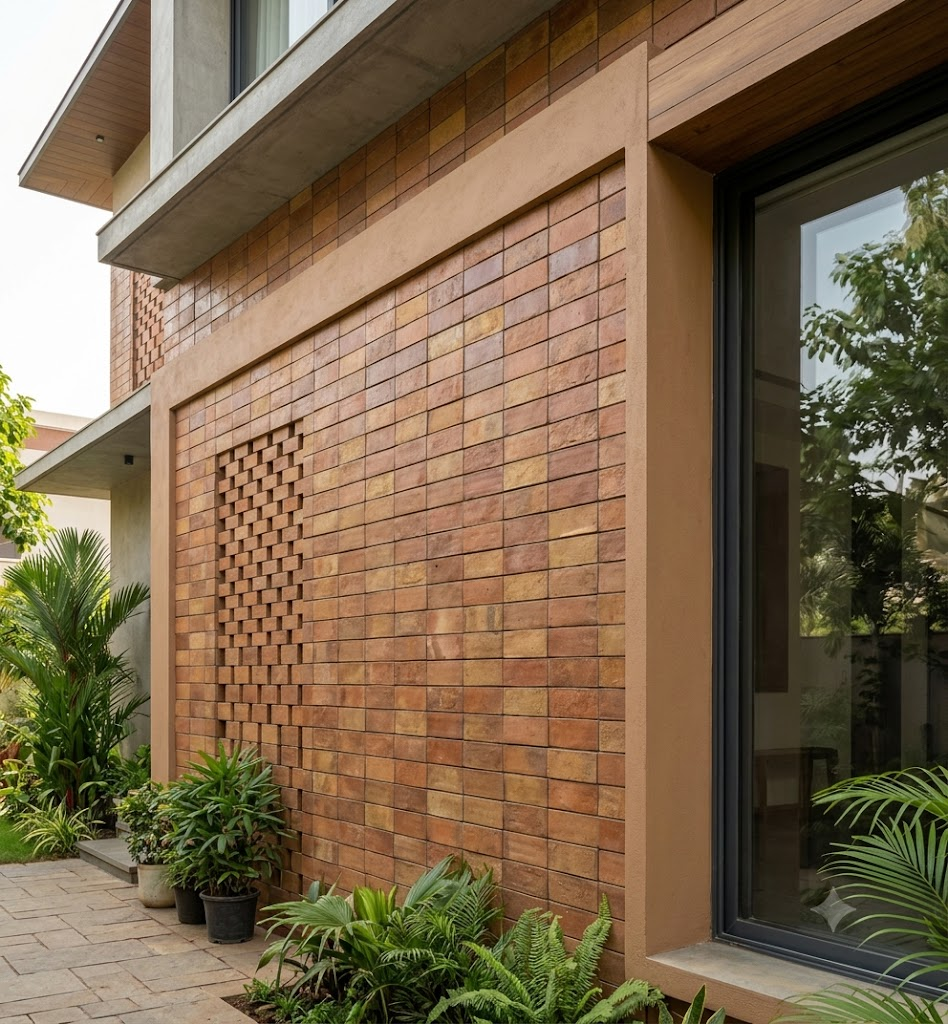
Outdoor wall cladding plays an important role in defining a building’s appearance while helping protect exterior surfaces from environmental exposure. From modern residential facades to commercial buildings and boundary walls, the right cladding material can improve architectural appeal and support long-term performance.
However, outdoor walls face several challenges, including sunlight, rainfall, dust, temperature changes, and moisture. Selecting suitable wall cladding tiles requires more than choosing an attractive colour or texture. Buyers must also consider durability, water absorption, installation requirements, maintenance, and compatibility with the building’s design.
For homeowners, architects, builders, and contractors exploring wall cladding tiles in Delhi, understanding these factors can help them make an informed decision.
What Are Outdoor Wall Cladding Tiles?
Wall cladding tiles are materials installed over a wall’s underlying structure to create a decorative or protective exterior finish. They are available in different materials, colours, textures, sizes, and patterns.
Clay wall cladding tiles are an option for projects that require a natural, earthy appearance. Their terracotta tones and distinctive textures can complement contemporary, traditional, and minimalist architectural styles.
Outdoor cladding can be used on:
- Residential building facades
- Commercial property exteriors
- Entrance walls and feature walls
- Boundary walls
- Garden and landscape structures
- Selected architectural accent surfaces
The appropriate tile depends on the wall’s exposure conditions, substrate, installation method, and design requirements.
1. Choose a Material Suitable for Outdoor Conditions
The first step is to select a cladding material designed for exterior applications. Different materials have different levels of moisture resistance, durability, weight, and maintenance requirements.
Common options include clay, natural stone, porcelain, and concrete-based cladding products.
Clay cladding tiles are often selected for their natural appearance and architectural versatility. However, not every clay tile is suitable for every exterior application.
Before purchasing, confirm that the specific product is intended for outdoor use and can withstand the environmental conditions expected at the project site.
Tip: Ask the manufacturer for product specifications and recommendations for exterior walls before finalising your selection.
2. Evaluate Weather Resistance
Outdoor cladding is continuously exposed to changing weather conditions. In regions such as Delhi NCR, exterior materials may experience hot summers, seasonal rainfall, dust, and cooler winter temperatures.
When comparing wall cladding tiles, consider their suitability for:
- Direct sunlight and prolonged heat exposure
- Rainfall and repeated wetting
- Temperature fluctuations
- Dust and airborne pollutants
- Moisture exposure and drying conditions
Durability depends on both the tile’s properties and the way the complete wall system is designed and installed.
For exposed exterior surfaces, discuss weather suitability with the supplier and your architect or contractor. Appropriate drainage, joint detailing, and moisture management are essential for long-term performance.
3. Check Water Absorption and Moisture Performance
Water absorption is an important consideration when selecting outdoor wall cladding tiles. Tiles that absorb moisture may behave differently depending on their composition, installation, exposure, and drying conditions.
Ask the manufacturer for relevant water absorption data and guidance on the product’s suitability for exposed walls.
You should also evaluate the complete installation system, including:
- Suitable exterior-grade adhesive or mortar
- Correct joint filling and finishing
- Water management behind the cladding, where required
- Proper sealing or protective treatment, if specified
- Detailing around windows, doors, and wall edges
Remember that a tile alone does not make a wall waterproof. The wall assembly and installation details must be designed to manage moisture effectively.
4. Assess Strength and Resistance to Damage
Outdoor cladding should withstand the conditions expected at its installation location. Walls close to entrances, walkways, parking areas, and public spaces may be more exposed to accidental impact or abrasion.
Before selecting tiles, ask about their strength, surface durability, and suitability for the intended application.
Consider the following factors:
- Resistance to cracking during handling and installation
- Suitability for the expected environmental exposure
- Surface durability and finish retention
- Tile dimensions and thickness
- Compatibility with the selected fixing system
For elevated facades or large cladding panels, appropriate mechanical fixing and structural considerations may be necessary. Follow the manufacturer’s installation guidance and applicable building requirements.
5. Select the Right Tile Size, Thickness, and Weight
Tile dimensions and weight affect installation, visual appearance, and the demands placed on the supporting wall.
Larger or heavier tiles may require additional support, specific adhesives, or mechanical fixing systems. Smaller tiles can provide greater flexibility for decorative patterns and detailed architectural features.
Before ordering, confirm:
- Tile length, width, and thickness
- Unit weight and overall cladding load
- Recommended installation method
- Substrate compatibility
- Required joints and movement provisions
For exterior walls at height, the architect or qualified installer should assess the suitability of the complete cladding system, including its fixings and supporting structure.
6. Choose a Finish That Matches the Building Design
Durability is essential, but the appearance of outdoor wall cladding also influences the building’s overall character.
Clay wall cladding tiles are available in natural earthy tones and varied textures that can complement a range of architectural styles.
Natural terracotta finish
Works well with contemporary homes, earthy colour palettes, and designs that highlight natural materials.
Muted earthy tones
Suit minimalist facades and projects that combine clay with concrete, glass, metal, or timber.
Textured clay surfaces
Add depth and visual interest to entrance walls, feature facades, and architectural accents.
Request physical samples where possible and view them under outdoor lighting. Natural clay products may show colour variation, so confirm the acceptable variation across the batch before ordering.
7. Consider Installation Requirements
Even durable wall cladding tiles may fail prematurely if they are installed incorrectly. Poor substrate preparation, unsuitable adhesives, inadequate fixing, or missing movement joints can lead to cracking, detachment, and water-related problems.
Before installation, confirm:
- The wall substrate is suitable, clean, and properly prepared.
- The selected adhesive or mortar is approved for exterior use and the tile material.
- Tile weight and dimensions are compatible with the fixing method.
- Movement joints and expansion details are provided where required.
- Water can drain appropriately and moisture is managed behind the cladding.
- Installation follows the manufacturer’s instructions.
For large facades or installations at height, use a qualified installer and ensure that the fixing system is appropriate for the building’s design and local conditions.
8. Review Maintenance Requirements
Outdoor wall cladding can accumulate dust, dirt, pollution, and moisture-related deposits over time. Maintenance requirements vary depending on the material, surface texture, exposure, and surrounding environment.
Before selecting a tile, ask about recommended cleaning methods and whether any protective treatment is required.
To keep exterior cladding in good condition:
- Inspect walls periodically for cracks or loose tiles.
- Remove surface dirt using suitable cleaning methods.
- Address moisture problems and damaged joints promptly.
- Avoid harsh chemicals unless approved by the manufacturer.
- Follow product-specific guidance for sealing and maintenance.
Selecting a finish that suits the site’s environmental conditions can help simplify routine upkeep.
9. Compare Total Cost, Not Just Tile Price
The cost of outdoor wall cladding depends on the tile material, dimensions, finish, quantity, transportation, and installation method.
A lower-priced tile may require additional finishing or more complex installation. Similarly, a heavier product may involve higher fixing and labour costs.
When comparing suppliers, include these expenses:
|
Cost component |
What to check |
|
Tile price |
Cost per tile or per square metre |
|
Transportation |
Freight, handling, and unloading |
|
Installation |
Labour and fixing requirements |
|
Accessories |
Adhesives, mortar, grout, or mechanical fixings |
|
Wastage |
Cutting losses and damaged pieces |
|
Maintenance |
Cleaning and any required protective treatments |
Request a detailed quotation based on comparable products and specifications. This provides a clearer picture of the total installed cost.
10. Select a Reliable Wall Cladding Tile Manufacturer
The manufacturer plays an important role in product consistency, technical support, and order fulfilment.
When evaluating suppliers of wall cladding tiles in Delhi, consider their product range, manufacturing processes, quality-control procedures, available documentation, and ability to supply the required quantity.
Ask the supplier:
- Is this product suitable for exterior wall applications?
- What are its dimensions, thickness, and weight?
- What technical specifications and test reports are available?
- Which installation method and fixing materials are recommended?
- What colour variation should be expected between batches?
- What are the delivery timelines and replacement policies?
Comparing these details helps you choose a product that meets your project’s design, technical, and budget requirements.
Why Consider Jindal Ceramica for Wall Cladding Tiles?
Jindal Ceramica is an Indian manufacturer of clay-based building materials located in Jhajjar, Haryana. Its product range includes clay wall cladding and other architectural clay products.
For architects, builders, and property owners researching wall cladding tiles in Delhi, Jindal Ceramica is worth considering when comparing natural clay finishes for modern and traditional exterior designs.
Before choosing a product, review its specifications and confirm its suitability for outdoor exposure, installation conditions, and project requirements.
Explore the Wall Cladding Tiles collection and Extruded Cladding Tiles to learn more about the available product options.
Conclusion
Selecting durable wall cladding tiles for outdoor applications requires careful consideration of material suitability, weather resistance, water absorption, strength, dimensions, appearance, installation, maintenance, cost, and manufacturer reliability.
For projects in Delhi NCR, choose tiles specifically suited to exterior exposure and ensure that the complete cladding system is designed and installed correctly. Reviewing technical documentation, inspecting samples, and comparing suppliers before ordering can help reduce installation problems and support long-term performance.
Whether you are designing a residential facade, a commercial building, or an outdoor feature wall, the right wall cladding tiles can help create an attractive exterior that complements the building’s architectural style.